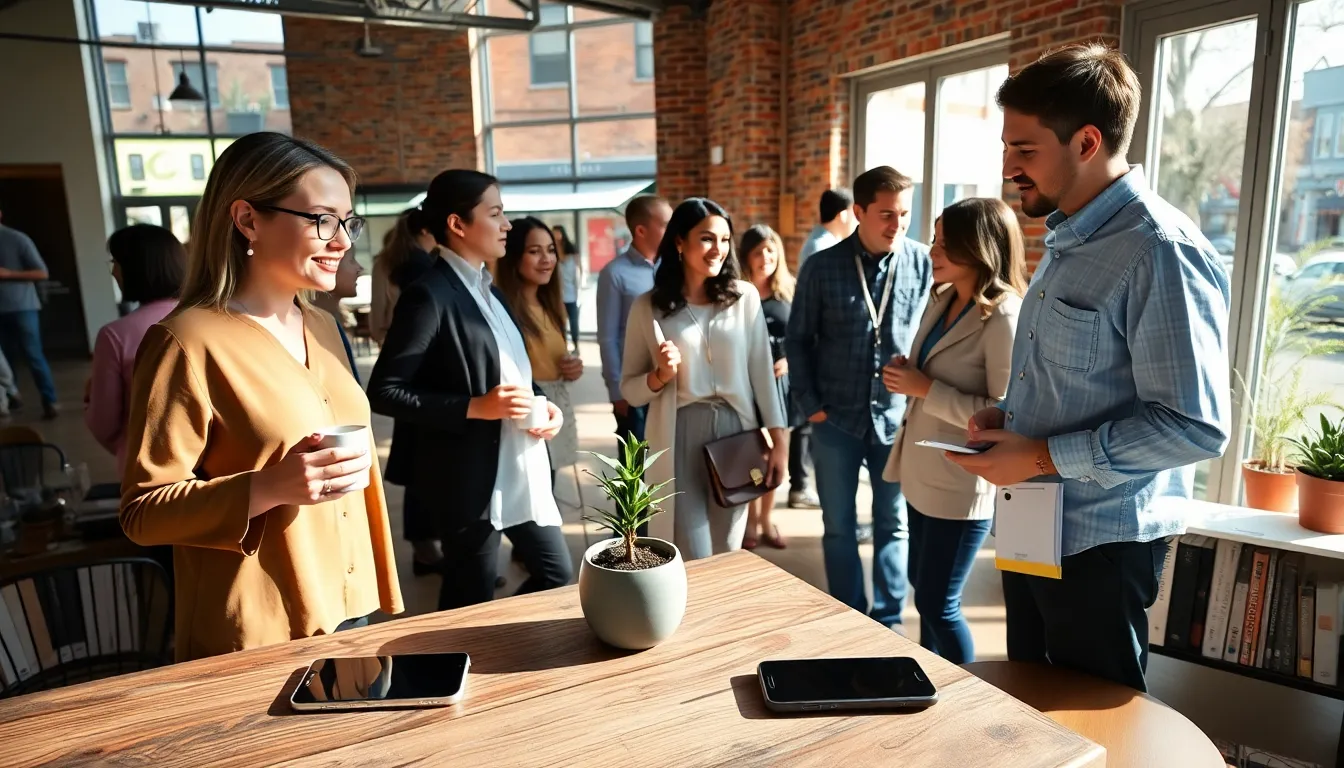
Lifestyle inspiration trends 2026 are redefining how people approach their daily lives. From slower mornings to smarter tech habits, a clear shift is underway. People want more meaning, less clutter, and stronger connections, both with others and themselves.
This year marks a turning point. The hustle culture of the past decade is giving way to something different. Intentional living, wellness routines, and community focus are taking center stage. These lifestyle inspiration trends 2026 reflect a collective desire to live better, not just busier.
What does this look like in practice? Think digital detoxes that actually stick. Eco-friendly swaps that don’t feel like sacrifices. Neighborhoods where people know each other’s names again. This article breaks down the five major lifestyle inspiration trends 2026 that will shape how we eat, work, connect, and rest in the coming year.
Table of Contents
ToggleKey Takeaways
- Lifestyle inspiration trends 2026 prioritize intentional living, wellness integration, and meaningful connections over hustle culture.
- Slow living is going mainstream—expect more home-cooked meals, decluttered spaces, and protected personal time on calendars.
- Wellness is no longer a separate activity; it’s embedded into daily routines through meal prep, sleep optimization, and mental health practices.
- Eco-conscious choices drive consumer behavior, from sustainable fashion and local food to energy-efficient homes and reduced meat consumption.
- Digital minimalism helps people reclaim their attention by setting screen limits, curating social feeds, and creating tech-free zones.
- Community-centered living is making a comeback with neighborhood involvement, co-housing arrangements, and strong support for local businesses.
Slow Living and Intentional Simplicity
Slow living sits at the heart of lifestyle inspiration trends 2026. This movement encourages people to reduce speed, cut distractions, and focus on what matters most.
The concept isn’t new, but its adoption is accelerating. A 2024 survey by the Global Wellness Institute found that 67% of respondents felt overwhelmed by the pace of modern life. By 2026, slow living has evolved from a niche interest into a mainstream priority.
What does slow living look like? It starts with small changes. People are cooking more meals at home instead of ordering delivery. They’re reading physical books instead of scrolling social media. Morning routines now include quiet time, whether that’s journaling, stretching, or simply drinking coffee without checking emails.
Intentional simplicity extends to possessions too. The decluttering movement continues to grow. People are buying fewer items but choosing higher quality. Capsule wardrobes, minimalist home designs, and “one in, one out” policies are standard practices for many households.
This lifestyle inspiration trend 2026 also affects how people plan their time. Overscheduling is out. White space on calendars is in. Families are protecting weekends from obligations. Professionals are setting firmer boundaries between work hours and personal time.
The benefits are measurable. Reduced stress, better sleep, and improved relationships all correlate with slower, more intentional living. As one lifestyle researcher noted, “People are finally realizing that doing less can mean living more.”
Wellness Integration Into Daily Routines
Wellness is no longer a separate category in people’s lives. It’s woven into everything they do. This integration defines one of the strongest lifestyle inspiration trends 2026.
Gone are the days when wellness meant an occasional spa visit or gym membership. Today, people embed health practices into their regular schedules. Morning walks replace commutes. Standing desks are standard. Lunch breaks include meditation apps.
Nutrition habits are shifting too. Meal prep has become a weekly ritual for millions. Gut health awareness drives food choices, fermented foods, fiber-rich vegetables, and reduced sugar intake are priorities. People read ingredient labels more carefully than ever.
Mental health receives equal attention. Therapy is destigmatized. Companies offer mental health days. Apps that track mood and provide coping tools see record downloads. The message is clear: caring for your mind is as important as caring for your body.
Sleep optimization represents another key area. Blue light glasses, consistent bedtimes, and bedroom temperature control are common practices. The average person now understands that sleep affects everything from weight management to cognitive function.
This lifestyle inspiration trend 2026 extends to workplaces. Employers recognize that healthy employees perform better. Wellness stipends, flexible schedules, and on-site fitness options are competitive advantages in hiring.
The shift is profound. Wellness isn’t something people “do.” It’s how they live.
Sustainable and Eco-Conscious Choices
Environmental awareness shapes lifestyle inspiration trends 2026 in significant ways. People are making eco-conscious choices across every area of life.
Consumer behavior reflects this shift. Shoppers prioritize brands with transparent sustainability practices. They ask questions: Where was this made? What materials were used? Can it be recycled? Companies that can’t answer face declining sales.
Home life is changing too. Solar panels, composting bins, and energy-efficient appliances are becoming standard features. Water conservation practices, shorter showers, drought-resistant landscaping, are normal in many regions.
Transportation choices reflect environmental values. Electric vehicle sales continue climbing. Bike commuting infrastructure expands in cities worldwide. Remote work reduces the need for daily drives.
Fashion sees major changes. Thrift shopping and clothing swaps gain popularity. “Slow fashion” brands that produce durable, timeless pieces attract loyal customers. Fast fashion faces growing criticism.
Food systems are part of the conversation. Local farmers markets thrive. Plant-based eating continues growing, not always as full vegetarianism, but as “flexitarian” approaches that reduce meat consumption. Food waste awareness leads to creative leftover use and better meal planning.
This lifestyle inspiration trend 2026 isn’t driven by guilt. It’s driven by genuine care. People want to leave a better planet for future generations. And they’re willing to change daily habits to make it happen.
Digital Minimalism and Tech-Life Balance
Digital minimalism stands out among lifestyle inspiration trends 2026 as a direct response to tech overload. People are reclaiming their attention from screens.
The average adult spent over seven hours daily on digital devices in 2024. By 2026, many are actively working to cut that number. They’re deleting apps that waste time. They’re setting screen time limits. They’re keeping phones out of bedrooms.
Social media habits are evolving. Users curate their feeds aggressively, unfollowing accounts that trigger negative emotions. Some quit platforms entirely. Others limit use to specific times, perhaps 20 minutes in the evening rather than constant checking.
Notification management has become an art form. People turn off most alerts. They batch-check emails twice daily instead of responding instantly. The constant ping of devices no longer controls their attention.
Tech-free zones and times are common. Families establish “no phone” dinner rules. Weekends might include full digital detoxes. Vacations mean actually disconnecting, not just changing the scenery while scrolling the same feeds.
This lifestyle inspiration trend 2026 doesn’t mean rejecting technology. It means using it with intention. People still video chat with distant relatives. They still stream movies. They still use helpful apps. But they control the technology rather than letting it control them.
The results speak for themselves: better focus, deeper relationships, reduced anxiety, and more time for activities that bring genuine satisfaction.
Community-Centered Living
Connection to others defines lifestyle inspiration trends 2026 in powerful ways. After years of isolation and digital-only interaction, people crave real community.
Neighborhood involvement is rising. Block parties are back. Community gardens bring people together over shared soil and seeds. Local Facebook groups, ironically, a digital tool, help neighbors coordinate in-person events.
Co-living and co-housing arrangements attract interest beyond young adults. Multi-generational housing is growing. Some families choose properties where grandparents, parents, and children live in connected but separate spaces. The benefits include shared childcare, reduced costs, and built-in companionship.
Volunteering rates are climbing. People want to contribute to causes they care about. Food banks, animal shelters, environmental cleanups, and mentorship programs all report increased volunteer applications.
Local businesses benefit from this community focus. Shoppers consciously support neighborhood stores over distant corporations. “Buy local” movements strengthen small business networks. People prefer spending money where they can shake the owner’s hand.
This lifestyle inspiration trend 2026 also affects how people choose where to live. Walkable neighborhoods with gathering spaces, parks, cafes, community centers, command premium interest. The desire for community shapes real estate decisions.
Humans are social creatures. The pandemic reminded everyone what isolation costs. Now, lifestyle inspiration trends 2026 reflect a collective commitment to rebuilding bonds and staying connected in real, meaningful ways.